Hold and Win Pokie Tournament AUD: A Clear Player-Fit Assessment
Hold and win pokie tournament AUD structures are becoming a regular fixture in Australian social and real-money environments, but the maths behind them is often misunderstood. A well-built tournament rewards consistency over luck, and the hold-and-win mechanic adds a separate layer of volatility that changes how players should approach each session. This piece breaks down the design, the ongoing value beyond the welcome offer, and the practical fit for different play styles.
How the tournament structure actually works
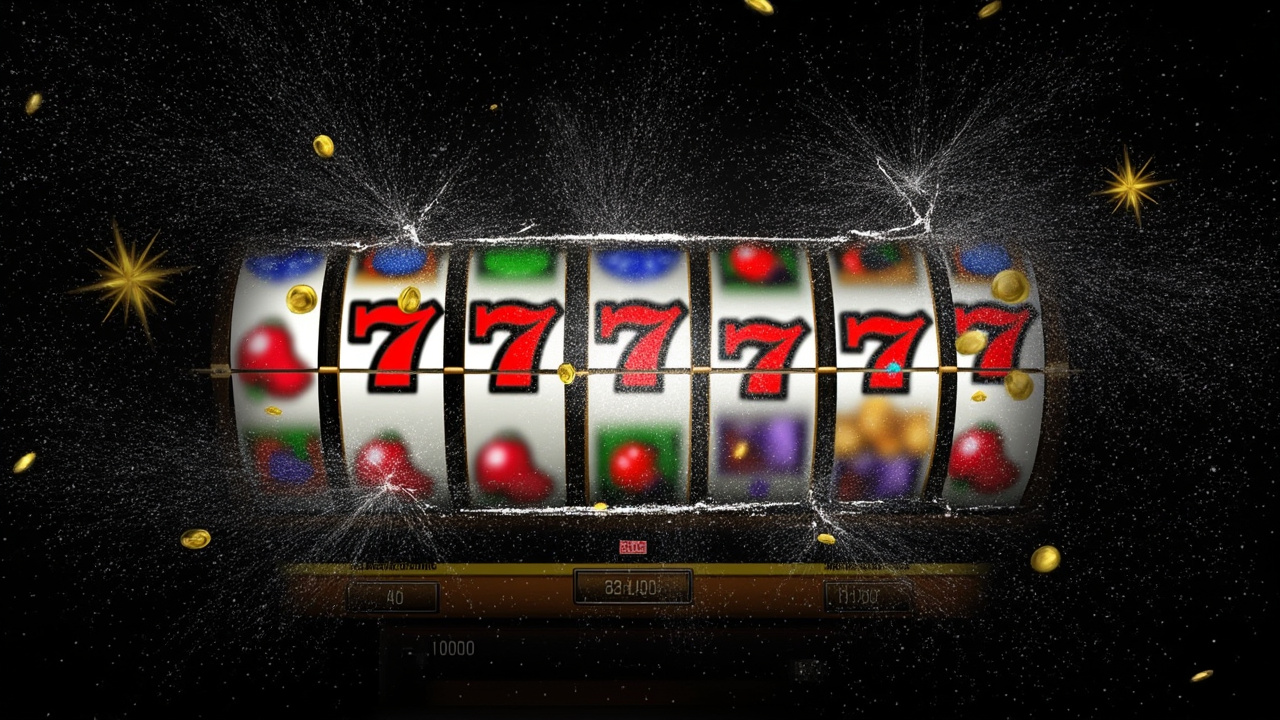
A hold and win pokie tournament AUD format stacks a leaderboard competition on top of a hold-and-win base game, which means prize pools are distributed by tournament score rather than by raw spin outcomes alone. The base game awards hold-and-win drops – such as cash prizes, multipliers, or free-spin retriggers – while the tournament layer converts those drops into points using a fixed conversion table. That table matters more than the headline prize, because it determines whether high-variance sessions outperform steady, lower-variance play. In practice, producers set the conversion so that a moderate hit rate with frequent small holds can outscore a single large payout that occurs too late in the session window. Registration is straightforward: players create a local account, verify identity through standard checks, and the tournament wallet is denominated in AUD with clear entry-fee caps and defined round lengths. Mobile support is built around the same tournament screen, with session timers and live score updates kept visible without cluttering the base game layout. Support channels cover tournament disputes, conversion questions, and payout timing, while loyalty points continue to accrue separately from tournament standing so repeat players are not forced to choose between competing rewards.
This structure allows players to compete for leaderboard positions even if their base-game spins do not result in immediate cash payouts. Understanding the specific point conversion rates is crucial for strategy, and a detailed spinsamurai review at https://spinsamuraireviews.com/ can break down these mechanics further. Such insights help participants maximize their tournament scores across various AUD-format events.
| Tournament element | Typical design choice | Why it matters |
|---|---|---|
| Entry fee | Fixed AUD cap per round | Keeps cost-per-play predictable across volatility profiles |
| Score conversion | Holds and multipliers mapped to points | Prevents one late big win from dominating the leaderboard |
| Round length | Fixed window with live ranking | Rewards pacing and repeat participation, not just one lucky streak |
| Payout split | Prize pool divided across top ranks | Encourages broader engagement rather than winner-takes-all extremes |
Deep dive into hold-and-win tournament design
Volatility and hold frequency
Hold-and-win mechanics are not a single fixed experience; they are a family of designs that vary in drop frequency, hold value range, and retrigger behaviour. A tournament built on a high-frequency, low-value hold pattern produces steadier leaderboard movement and tends to suit players who prefer predictable session pacing. A design with rarer but larger holds creates sharper swings, which can be appealing but also punishes slow pacing if the round window is short. From a production standpoint, the key judgement call is matching the hold distribution to the conversion table so that the tournament reward curve is not distorted by base-game volatility alone. That is the same kind of balancing work used in land-based cabinet tuning, where hit frequency and payout clustering are adjusted to keep the floor experience engaging without making any single session feel disconnected from the overall maths.
Score conversion and leaderboard pacing
The conversion table is where tournament design either stays fair or drifts into noise. A common approach is to assign point values to hold amounts and multiplier triggers, then apply a small participation bonus for completed sessions so that players who stay active are not wiped out by one early outlier. Producer notes from social and real-money builds often show that leaders move in waves: early rounds favour aggressive hold hunting, mid-round phases reward consistency, and the final stretch can swing on retriggers and near-miss momentum. That pacing is intentional, and it is why a raw spin count is a poor measure of tournament performance. Players who understand the conversion curve can read the round more accurately and avoid overcommitting to a strategy that only works in one phase of the leaderboard.
Ongoing value after the welcome offer
The welcome offer is only the entry point; the longer-term appeal of a hold and win pokie tournament AUD product comes from recurring promos, cashback on selected rounds, loyalty tiers, and repeat-play reasons that survive after the first deposit. A solid product keeps tournament rounds scheduled regularly, rotates conversion tweaks within defined limits, and ties loyalty accrual to participation rather than just spend. Cashback can soften the downside of a volatile round without breaking the competition integrity, provided it is framed as a separate benefit and not a hidden refund on tournament losses. For players who return across multiple sessions, the practical value lies in whether the product continues to offer meaningful leaderboard movement and clear payout timing, not just a one-off bonus. A smarter approach staycasinonodepositbonus.com to casino tournaments on Boomsbet is covered in more detail elsewhere, and it is worth reading when comparing how different operators structure repeat participation after the first round smarter tournament approach.
Player-fit assessment
This format suits players who are comfortable treating a tournament round as a scored session rather than a straight payout chase. It is less suited to players who want every spin to translate directly into a withdrawable balance, because the leaderboard conversion adds a layer between base-game results and tournament rewards. The fit also depends on pacing: players who can spread attention across a defined round window tend to do better than those chasing a single big hold and then disengaging. For social casino players, the appeal is the competition and the visible score progression; for real-money players, the appeal is the combination of hold-and-win drops with a structured prize pool, as long as the entry cost and round length match the intended session budget. A practical note from Cooper Clarke, Head of Product, Pacific Player Protection Institute, is that tournament products should make conversion rules and round timing obvious before entry, because opaque scoring is where player frustration tends to start. Ava Clarke, Head of Live Casino, Sunburnt Country Interactive, also points out that leaderboard products perform better when support can answer conversion and payout-timing questions quickly, especially for players joining across different devices during a busy arvo session.

Conclusion
A hold and win pokie tournament AUD product can be a strong fit for players who value scored competition, steady loyalty accrual, and recurring round schedules more than a single big-win narrative. The maths only works in the player’s favour when the conversion table, round length, and hold distribution are read clearly before entry. For anyone comparing products, a careful spinsamurai review can help separate tournament design that holds up over repeated play from one that only looks lively on the first session.